Smart monitoring for hard problems.
Pink Pigeon Innovations builds low-cost sensor platforms that make environments smarter. Modular hardware, resilient firmware, real-time dashboards — deployed in weeks, not years. Based in Victoria, B.C.
Pink Pigeon Innovations builds low-cost sensor platforms that make environments smarter. Modular hardware, resilient firmware, real-time dashboards — deployed in weeks, not years. Based in Victoria, B.C.
Most environmental monitoring falls into two camps: expensive lab-grade equipment that only institutions can afford, or cheap consumer gadgets that can't survive real conditions. We build in the gap — a modular sensor platform affordable enough to deploy many, resilient enough to forget about, and adaptable to oceans, kitchens, storm drains, or anywhere you need to know something changed.
One board, many configurations. I2C, analog, OneWire, SPI, digital — swap sensors to match the environment.
Hand-rolled, zero external dependencies. Self-recovering from power loss, adaptive to changing conditions, and updatable over the air.
Web, iOS, and Android from one React codebase. Real-time charts, alerts, remote commands, battery analytics.
On-device baselines detect anomalies and auto-escalate reporting. The device thinks for itself — no cloud round-trip needed.
Same platform, any connectivity. LTE Cat M1 for the field, WiFi for buildings, PoE for infrastructure.
Low-cost enough to deploy many instead of one. Cover a whole site, not just a single point. The fleet is the product.
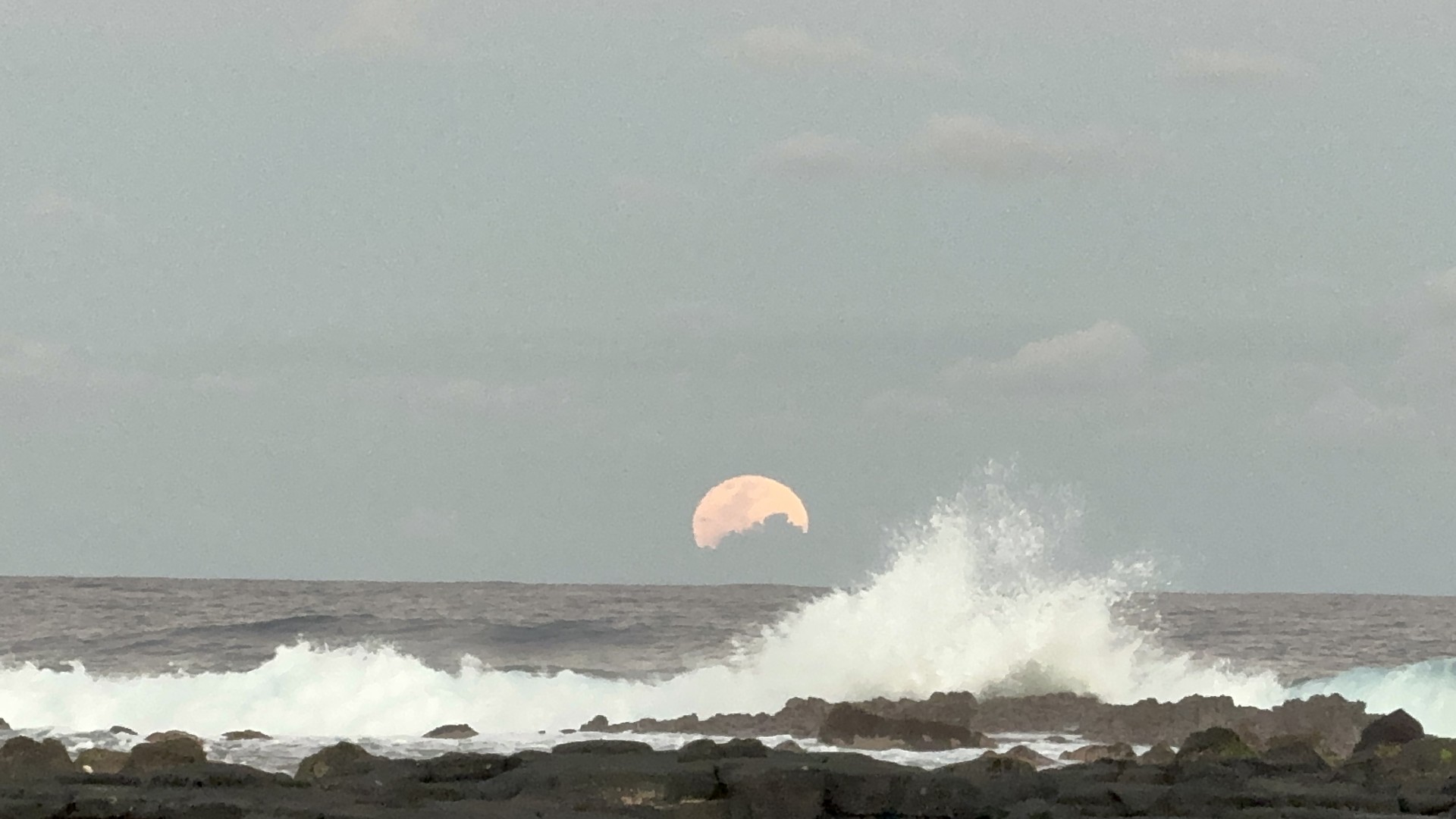
Our ocean monitoring platform and OceanIDEA challenge entry. Three sensor nodes deployed across British Columbia and Alberta. If it works in salt water on a LiPo battery with intermittent cellular — it works anywhere.
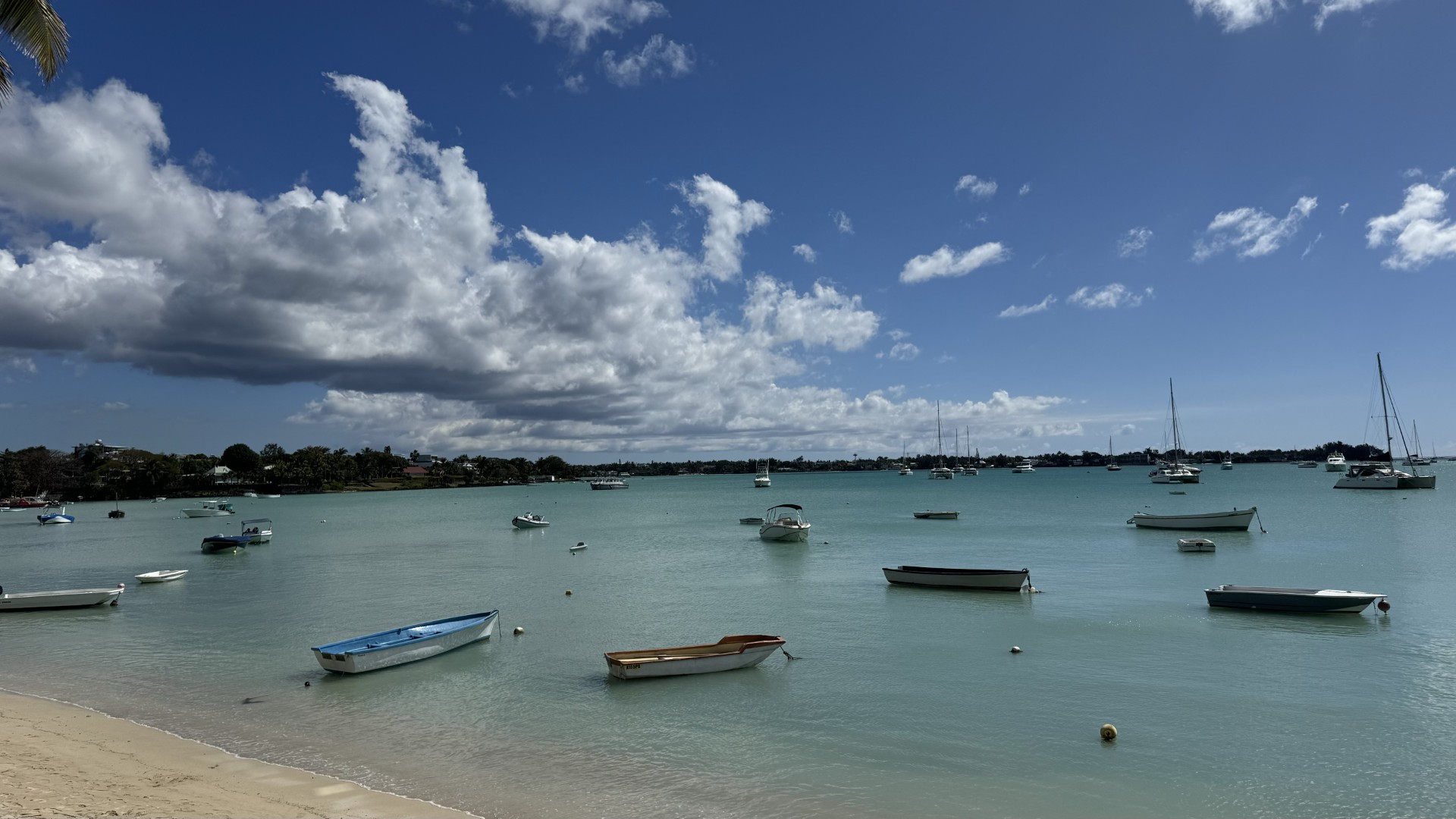
Aqua Sentry was selected as one of 23 ocean-focused teams in the 2026 cohort of the Ocean Startup Project’s national OceanIDEA Challenge.
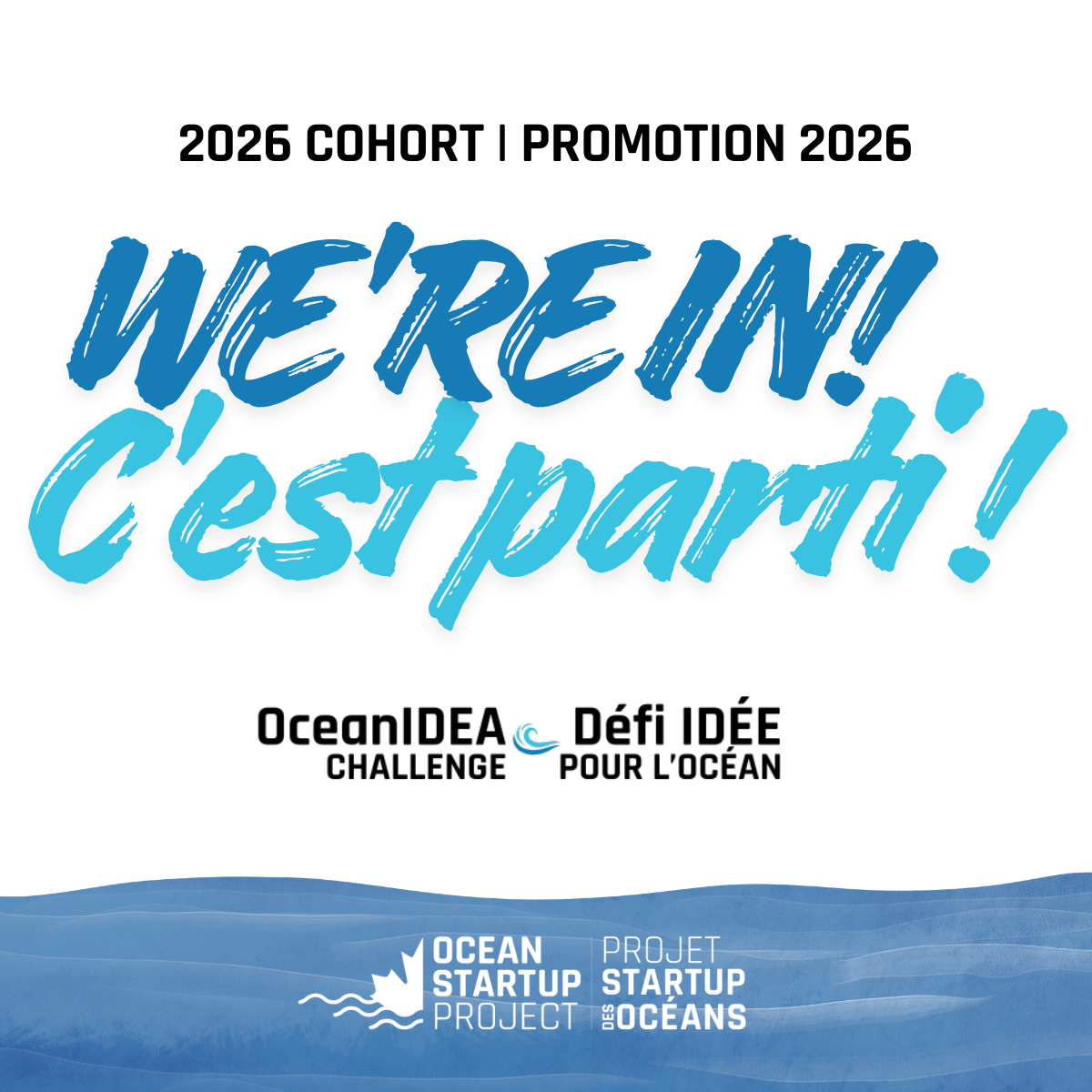
We’re in! We’re excited to share that Aqua Sentry has been selected for the 2026 OceanIDEA Challenge cohort. Through this national program from the Ocean Startup Project, we’ll be exploring our ocean-focused idea, connecting with industry, and strengthening our path forward through customer discovery.
C’est parti ! Nous sommes ravi·e·s d’annoncer qu’Aqua Sentry a été sélectionné·e pour la promotion 2026 du Défi Idée pour l’Océan. Grâce à ce programme national du Projet Startup des Océans, nous allons explorer notre idée axée sur l’océan, échanger avec des mentors et préciser notre prochaine étape grâce à la découverte de clientèle.
Cohort kickoff: May 5, 2026.
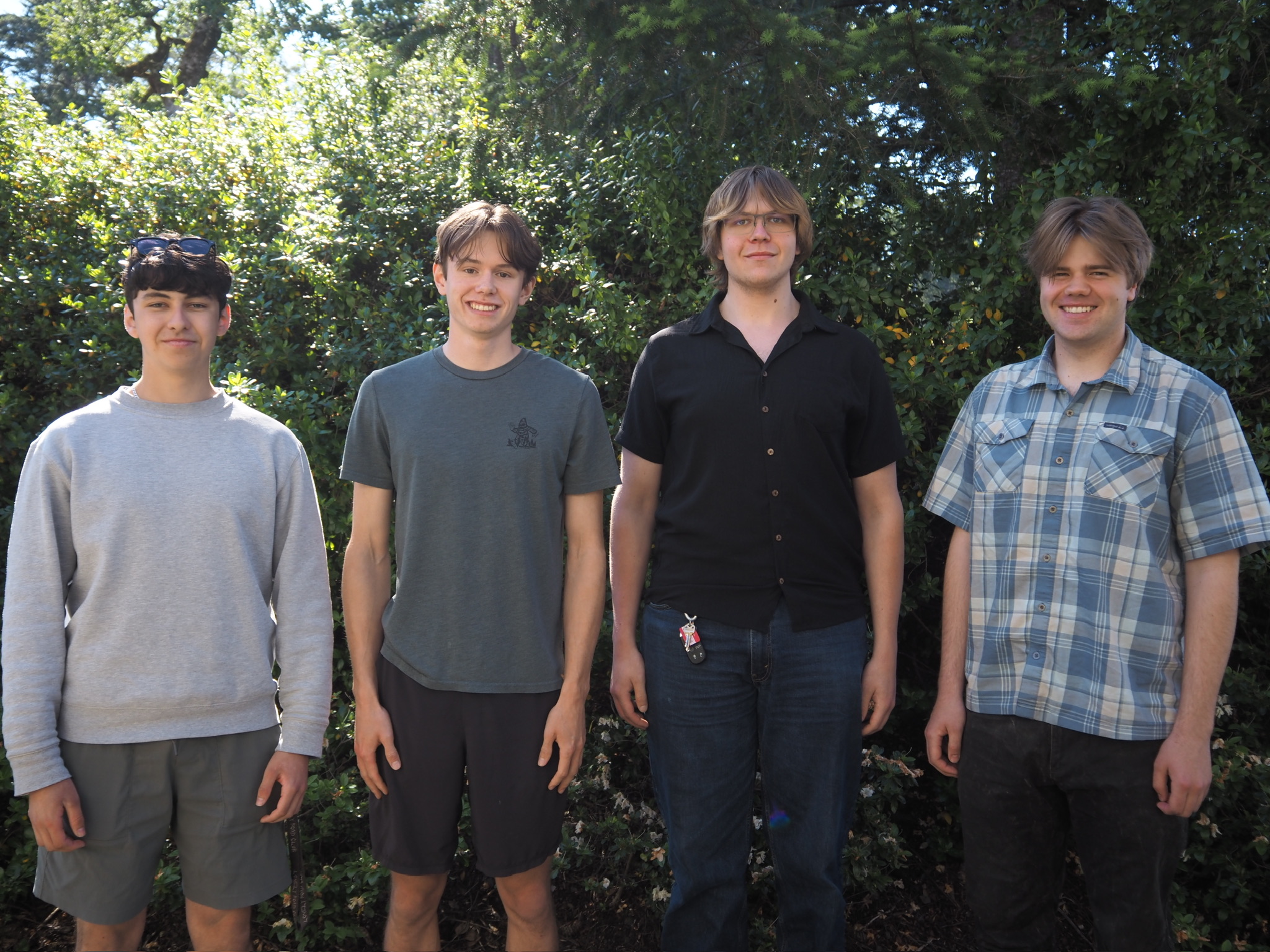
Pink Pigeon sponsored four Mechanical Engineering students at Camosun College to design and build the shell for Aqua Sentry — the enclosure protecting the sensor hardware built in-house by Imtehaze, Landon, and Kyrel. Read their project writeup and meet the team below.
Pink Pigeon brings together applied research, embedded systems, and full-stack software to build fully integrated, field-ready solutions. We own the entire vertical — from circuit board to cloud dashboard — which means we ship fast, debug across layers, and don't wait on vendors. Three people, nights and weekends, two months to live deployment.

CEO & Founder
Engineering innovator and applied research leader with over 20 years in robotics, automation, and intelligent sensing. Originally from Mauritius, he founded PPI to build field-ready sensor platforms that are robust, scalable, and economically viable — especially for regions where million-dollar solutions aren't an option.

Software & AI Lead
Software engineer and former college instructor in electronics, computer science, and control systems. Co-founded an AI wellness startup as CTO, then started Coding Fox, an AI studio. Built PPI's entire software stack — firmware, backend, and a three-platform app across web, iOS, and Android — in eight weeks. A perfectionist who ships.

Electronics & Hardware Lead
Hardware and firmware developer specializing in rugged, field-ready electronics — ultra-low-power monitoring systems, custom automotive dashboards on embedded Linux, and the kind of equipment where conditions are harsh and reliability is mandatory. He and Landon have been collaborating since college, where their capstone was a wireless sensor gateway for agriculture — the same concept PPI builds today. Designed PPI's sensor board, which worked on revision one.
Whether it's ocean monitoring, industrial sensing, or something we haven't thought of yet — we'd love to talk.